
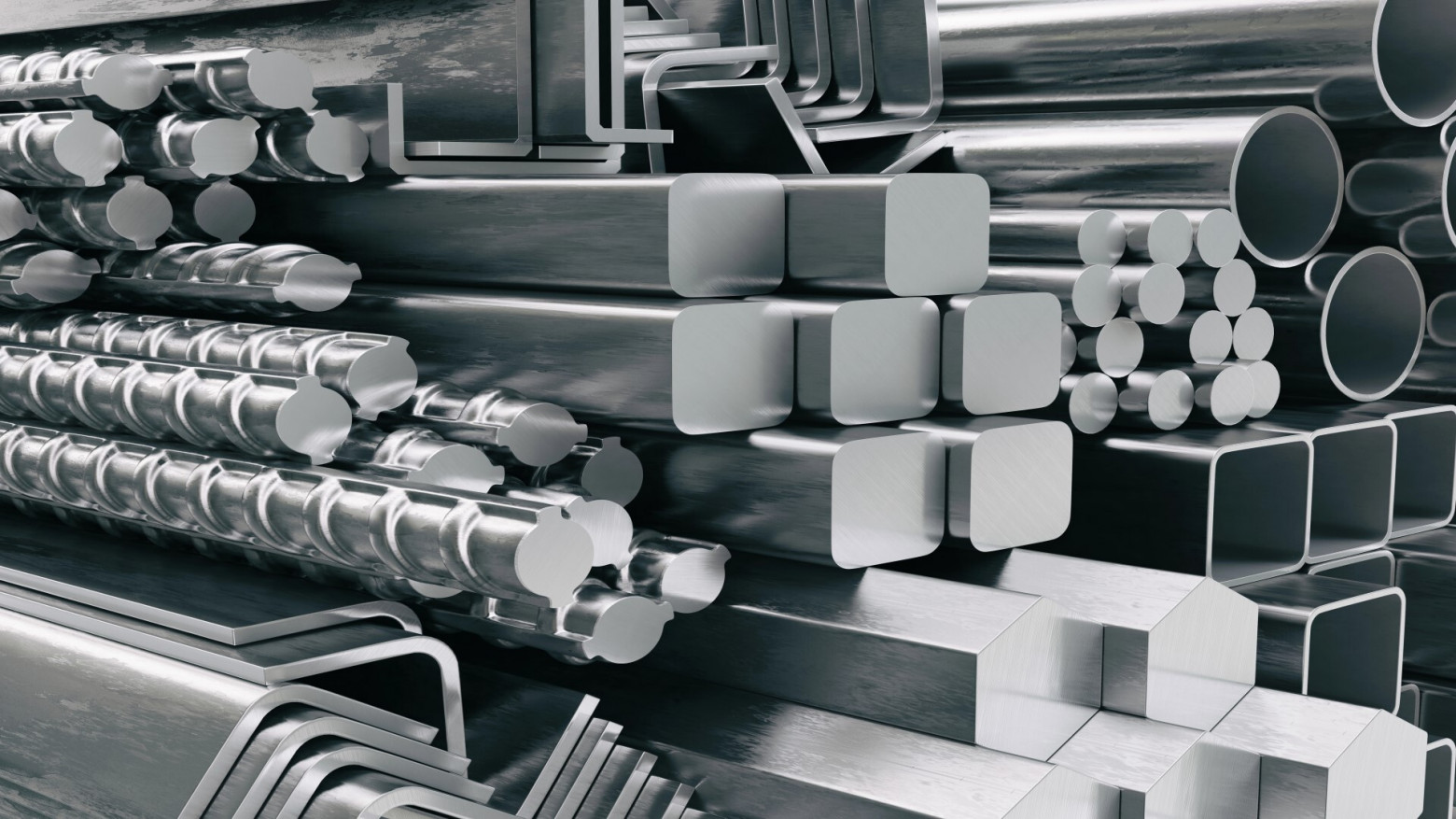
Understanding the Core of Modern Metallurgy
In the ever-evolving industrial landscape, Iron Alloy Development Services stand as a cornerstone of modern engineering progress. From the smallest mechanical components to massive infrastructure projects, iron alloys shape the world we build. Understanding how these alloys are developed, tested, and refined allows engineers to make smarter decisions that improve strength, durability, and sustainability across industries.
For decades, Sadiq Global Metallurgy Services has specialized in delivering tailored metallurgical solutions that empower industries to meet their technical and production goals. Engineers who engage with Iron Alloy Development Services gain access to deeper insights into material behavior, performance optimization, and innovation-driven metallurgy — all essential for success in today’s competitive markets.
The Role of Iron Alloys in Engineering Evolution
Engineering has always been defined by materials. The discovery of stronger and more efficient metals has pushed industries toward new horizons. Iron, as one of humanity’s earliest and most versatile materials, continues to evolve through advanced alloy development. Iron alloys are no longer limited to simple cast iron or carbon steel — modern metallurgists now design materials with highly specific mechanical and thermal properties tailored for unique applications.
The demand for specialized alloys in industries such as automotive, aerospace, energy, and heavy machinery has made Iron Alloy Development Services an essential part of technological progress. Engineers who understand these developments can optimize product design, minimize material waste, and improve lifecycle performance.
How Iron Alloy Development Drives Industrial Innovation
In today’s technology-driven industries, the focus has shifted from mass production to precision performance. This shift relies on advanced materials engineering, where the right alloy can make the difference between failure and success. The process of iron alloy development involves not just blending metals but also designing their microstructures for specific functions — balancing strength, hardness, flexibility, and corrosion resistance.
Through research, simulation, and testing, engineers and metallurgists collaborate to create alloys that perform under extreme conditions. Whether it’s developing heat-resistant alloys for turbine blades or wear-resistant materials for mining tools, every successful design begins with comprehensive Iron Alloy Development Services.
By partnering with experts like Sadiq Global Metallurgy Services, industries gain access to deep metallurgical knowledge that transforms production processes into performance-driven solutions.
Why Engineers Must Understand Alloy Behavior
Every engineer, regardless of their specialization, benefits from understanding how materials behave under different stresses and environments. The structure of an alloy determines how it will react to heat, pressure, and chemical exposure. Engineers who understand this can design products that are safer, more efficient, and longer-lasting.
Without knowledge of alloy development, design flaws often go unnoticed until they result in costly failures. This is why understanding the fundamentals of Iron Alloy Development Services gives engineers a significant advantage — it bridges the gap between design intent and material capability.
Metallurgy isn’t just for scientists; it’s a discipline that empowers engineers to make informed choices about welding techniques, casting methods, heat treatments, and performance testing.
The Process Behind Iron Alloy Development
Developing a new iron alloy is a scientific and systematic process that combines material science, thermodynamics, and industrial practicality. It begins with defining the performance goals — such as strength, corrosion resistance, or machinability — and identifying the right combination of elements to achieve those goals.
Alloying elements like carbon, manganese, nickel, chromium, and molybdenum play crucial roles in determining the mechanical and chemical properties of iron. Once the alloy composition is designed, it undergoes melting, casting, and refining processes under controlled conditions to ensure uniformity.
Afterward, advanced testing and analysis methods, including microstructural examination and tensile testing, are performed to validate results. These detailed steps define the excellence of Iron Alloy Development Services, ensuring that every product meets both industrial and environmental standards.
The Connection Between Metallurgy and Engineering Design
The relationship between metallurgy and engineering is symbiotic. Engineers design with intent; metallurgists provide the means to bring those designs to life. An alloy’s performance can only be maximized when engineers understand its limitations and potential.
In applications like automotive components or energy systems, using the wrong alloy can lead to inefficiencies, premature wear, or even catastrophic failure. By incorporating knowledge gained from Iron Alloy Development Services, engineers can make data-backed choices that result in superior design integrity.
This integrated approach also supports sustainability goals — optimizing alloys reduces material waste and enhances recyclability.
Innovation Through Research and Development
Continuous innovation in metallurgy is driven by extensive research and collaboration. Sadiq Global Metallurgy Services emphasizes R&D as the foundation for improving iron-based alloys. Through controlled experimentation and advanced computational analysis, new alloy compositions are created that perform better under high pressure, heat, and corrosive environments.
This ongoing innovation not only enhances mechanical performance but also contributes to energy efficiency and cost reduction across industries. Engineers who stay updated with these advancements can design with precision, ensuring that each material choice aligns with operational demands.
The Global Impact of Iron Alloy Development
Iron alloys play a role in nearly every global industry — from skyscrapers and bridges to ships and industrial machinery. Advanced Iron Alloy Development Services are shaping the materials that make up our modern infrastructure. As industries expand and adopt newer technologies, the demand for stronger, lighter, and more sustainable alloys continues to rise.
Sadiq Global Metallurgy Services remains at the forefront of this transformation, offering expertise that supports global industries in achieving technical excellence and long-term reliability.
Why Sadiq Global Metallurgy Services Leads the Field
With decades of metallurgical expertise, Sadiq Global Metallurgy Services has built a reputation for precision, reliability, and innovation. Their Iron Alloy Development Services encompass every stage of the process — from concept to composition, testing, and application optimization.
By combining scientific rigor with industrial practicality, they help engineers and manufacturers achieve exceptional results. Whether it’s custom alloy formulation, metallurgical failure analysis, or process improvement, their solutions are grounded in real-world performance.
Conclusion
In today’s engineering world, success depends on more than design expertise — it requires an in-depth understanding of materials. Iron Alloy Development Services empower engineers to create stronger, more sustainable, and more efficient products that can meet the challenges of modern industry.
Partnering with experts like Sadiq Global Metallurgy Services provides engineers with the knowledge and tools needed to push the boundaries of performance and innovation. Understanding iron alloy development is not just an advantage — it’s a necessity for building the future of engineering with strength, precision, and confidence.
FAQs
1. What are Iron Alloy Development Services?
They are specialized metallurgical services that focus on designing, testing, and optimizing iron-based alloys to enhance performance in various industrial applications.
2. Why are iron alloys important in engineering?
Iron alloys provide strength, flexibility, and durability — essential properties for manufacturing machinery, structures, and industrial tools.
3. How do Iron Alloy Development Services support innovation?
They help create new alloys with improved mechanical and chemical properties, driving advancements in manufacturing and design efficiency.
4. What industries benefit most from these services?
Industries such as automotive, construction, aerospace, energy, and manufacturing rely heavily on iron alloy development to meet performance and safety standards.
No responses yet